

4th grade math tutoring covering multi-digit multiplication, fractions, and place value. Your child works with the same dedicated tutor every session — live, 1-on-1 — so every gap is caught and built on solid ground.



Abhishek is a rocket engineer with a Master's degree in Astronautics & Space Engineering who has spent over 5 years tutoring mathematics to elementary and middle school students. He believes math is about understanding the 'why' and 'how,' not just memorizing formulas, and uses real-world problem-solving approaches to build conceptual understanding and lasting confidence. Students work with him to develop genuine mathematical thinking skills that extend far beyond the classroom.

Barnali D. is a passionate mathematics tutor with 5 years of experience delivering engaging virtual lessons to elementary and middle school students. She specializes in creating interactive learning environments using modern online tools, helping students build confidence and mastery in math. Her student-centered approach makes complex concepts accessible and fun for learners of all levels.
.png)
I am a passionate educator with 23+ years of experience in English language and literature, Primary Science and Mathematics. My approach aligns with student-centered learning and differentiation, ensuring every lesson caters to diverse needs and learning styles. I integrate multiple intelligences and innovative tools like mind mapping to make complex concepts accessible and foster deeper understanding. I am committed to empowering learners and helping them achieve their full potential.

Jessa is a Licensed Professional Teacher with a Bachelor's degree in Secondary Education who specializes in building English confidence for elementary students. With over a year of ESL teaching experience, she has developed the ability to adapt her instruction to meet each learner's unique needs and proficiency level. Jessa creates clear, engaging lessons focused on practical communication skills that help students thrive both in and out of the classroom.

Marlowe Chen is a Minneapolis-raised mathematics educator with nine years of experience specializing in statistics and calculus instruction. As a dedicated online math tutor, Marlowe emphasizes deep conceptual understanding over mere computational skills, helping students develop genuine mathematical reasoning abilities. Her teaching philosophy focuses on building lasting comprehension that serves students throughout their academic journey. Marlowe's patient, methodical approach to tutoring has proven especially effective for students seeking to strengthen their mathematical foundations and develop critical thinking skills essential for advanced coursework and standardized test success.

Monika is a mathematics educator with over 5 years of experience teaching K–12 students across multiple curricula, including US Common Core and SAT Math. She specializes in concept-focused, student-centered instruction that builds problem-solving skills and boosts academic performance. Monika designs personalized lessons and assessments tailored to each student's learning style, with proven success helping students master foundational math through advanced topics.

Nasreenbanu S. is an experienced online instructor with a Master's degree in Computer Science who brings a passion for making technology education accessible and enjoyable. She specializes in simplifying complex concepts through interactive, hands-on lessons that build student confidence from the ground up. Her teaching experience spans Python programming, web development, Scratch, and creative technologies, helping students of all levels discover their potential in coding.

Pauline is a Licensed Professional Teacher with 5 years of dedicated math instruction for elementary students. She specializes in building student confidence and conceptual understanding through personalized, engaging lessons tailored to each learner's needs. Pauline's clear communication style and expertise in problem-solving help students master foundational math skills and achieve their academic goals.

Surbhi S. is a K–5 math specialist with over 5 years of teaching experience helping young learners build confidence and mastery in foundational math skills. She combines playful, hands-on instruction with clear concept development, making multiplication, fractions, and problem-solving engaging and intuitive. Her approach focuses on building mathematical confidence and helping students develop a genuine love for numbers.

Abraham Nazer P. brings a unique perspective to elementary and middle school math by combining his software engineering background with traditional classroom experience. He specializes in helping students understand not just the 'what,' but the 'why' and 'how' behind mathematical concepts by connecting them to real-world applications. His approach demystifies math and builds genuine confidence in learners.

Achala is a math enthusiast with over 6 years of teaching experience specializing in elementary mathematics for K-5 students. She believes that patience, understanding, strong content knowledge, and genuine connection with each student are essential to helping learners reach their goals. Achala creates a supportive learning environment where young students build confidence and develop a love for math.

Andal P. is a chemistry graduate with over 15 years of experience helping students build confidence in math and science. He specializes in making complex concepts accessible by tailoring his approach to each student's learning style. Andal is passionate about helping middle and elementary students develop strong problem-solving skills and a genuine love for STEM subjects.

Anjali R. is a dedicated mathematics educator with 15+ years of experience teaching grades K-8. She excels at creating engaging lesson plans, assessments, and project-based learning activities that help students build strong foundational math skills. Anjali's personalized approach ensures each student gains confidence and mastery in mathematics.

Ankita S. is an M.Sc. B.Ed. with a genuine passion for making mathematics accessible and engaging for elementary and middle school students. She specializes in building strong foundational skills and helping students develop confidence in math. Ankita's teaching approach focuses on making concepts clear and relatable so that every student can succeed.
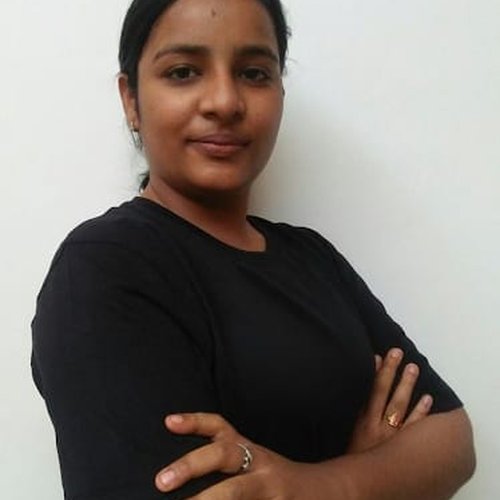
Aradhana G. is a mathematics specialist with a master's degree and six years of experience teaching students in grades 3–8 both online and offline. She has worked with thousands of students and brings a deep understanding of how to make math concepts accessible and engaging for elementary and middle school learners. Her proven track record helps students build confidence and master fundamental skills.

Arvind S. is a mathematics educator who specializes in making math meaningful and accessible for elementary and middle school students. He builds strong conceptual understanding through problem-solving, real-life applications, and interactive tools that help students visualize mathematical ideas. By connecting abstract concepts to everyday situations and encouraging curiosity, Arvind creates engaging learning experiences where students develop confidence and lasting math skills.

Danzel B. is a mathematics teacher who specializes in building student confidence and making numbers click for young learners. With a patient, encouraging approach, he transforms tricky concepts into exciting discoveries and helps students realize they can succeed at math. Danzel believes in meeting each student where they are and guiding them toward genuine understanding and enthusiasm for the subject.

Deborah L. is a passionate elementary math tutor with years of experience helping young learners build confidence and master fundamental concepts. She specializes in making math accessible and engaging, celebrating each student's breakthrough moment. Deborah believes that every child can succeed in math when given the right support and encouragement.

Fardid is a mathematics trainer with a civil engineering background who excels at breaking down complex concepts into simple, understandable explanations. He connects math to real-world applications, helping students see why what they're learning actually matters. Fardid brings patience and clarity to every session, making math feel less intimidating and more achievable for students in elementary and middle school.

Hanisa trained as a Computer Engineer before making teaching her main pursuit — and the shift shows in how methodical she is about lesson structure while keeping sessions warm and responsive. She has ESL teaching experience and direct one-on-one tutoring experience with US-based students, making her comfortable with the specific demands of US-curriculum English and Math for K–5 learners.

Jonah is an enthusiastic math educator with nearly 5 years of classroom experience teaching young learners. He specializes in helping elementary and PreK students build confidence and understand how math applies to everyday life. Jonah believes every child is capable of learning math and is committed to making the subject engaging and meaningful.

Jyoti teaches Math through three different lenses: standard curriculum, Vedic Math, and the Abacus method — which means she can almost always find the entry point that clicks for a specific student. Twelve years in, she currently leads teacher training at an ed-tech organization and has worked with elementary students across the US and internationally.
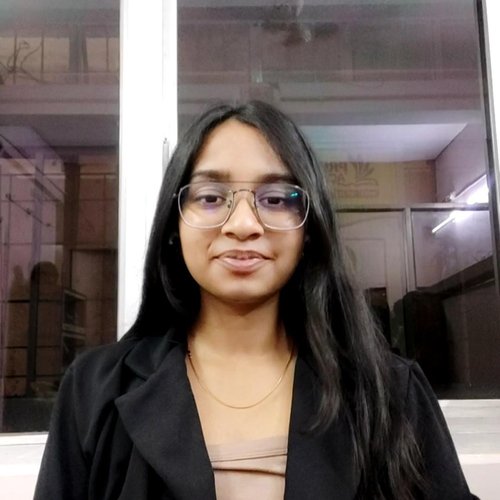
Kanan is a passionate mathematics educator with extensive experience teaching Grades 3–8 students. She specializes in making math concepts clear, engaging, and meaningful, helping students build confidence and develop strong problem-solving skills. Kanan believes every child can succeed in math with the right support and creates a learning environment where students actually enjoy the subject.

When a student says 'I still don't get it,' Komal treats it as information, not failure. With three and a half years tutoring middle school Math and English, she's developed a knack for pinpointing exactly where the confusion starts and clearing it in the same session — no waiting until next time.

Madhavi D. is a dedicated mathematics educator passionate about helping elementary and middle school students build confidence with numbers. She believes in breaking down complex concepts into simple, easy-to-understand explanations and creates a positive learning environment where every student feels supported. With a genuine enthusiasm for teaching and a love of lifelong learning, Madhavi focuses on making math engaging and accessible for young learners.

Mae Ann has taught students from preschool through high school across a wide range of settings and grade levels, and that breadth shows in how naturally she reads where each child is starting from. A Social Science Education graduate, she builds sessions that feel safe and genuinely encouraging from the very first lesson.
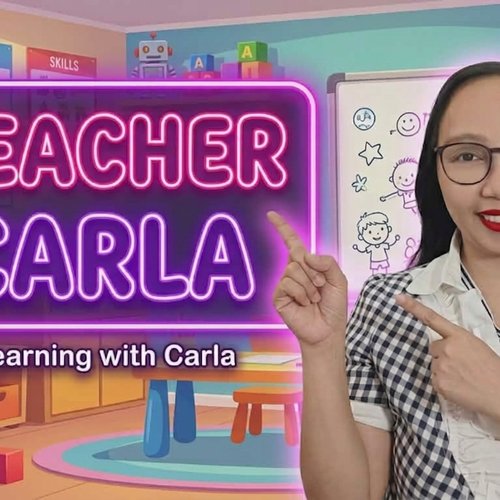
Maria Carla brings 15+ years of professional experience and high-energy teaching to elementary English. With C2 English Mastery and TESOL certification, she creates interactive, customized lessons that help K-5 students build confidence and love learning. Maria works from a dedicated, professional setup and tailors every session to parents' specific goals for their child.

Fluent in English, French, German, and Spanish, Nahali has spent years working as a professional bilingual interpreter — a job that demands a precision about language that most teachers never develop. She brings that precision to English instruction for middle and high school students, alongside a Sociology student's understanding of how communication actually works.

Padmaja is a passionate educator with years of experience teaching English to elementary students in both classroom and online environments. She specializes in creating engaging, interactive lessons that encourage curiosity and independent thinking through inquiry-based learning. Padmaja understands each child's unique strengths and focuses on building confidence and a love of learning in a supportive, inclusive classroom.

Rashi is an experienced math educator with a proven track record of adapting her teaching to meet diverse student needs. She specializes in making math meaningful by connecting real-world experiences to foundational skills, helping students build confidence and critical thinking abilities. Her student-centered approach ensures every learner feels supported and motivated to succeed.

Samidha is an experienced mathematics educator with 5+ years in online education, specializing in making elementary math engaging and accessible for young learners. She believes every student is unique and tailors her approach to build confidence and a genuine love of learning. Her patient, supportive teaching style helps PreK through Grade 5 students master foundational math skills while having fun along the way.

Shamsiya S. is an experienced online tutor specializing in elementary mathematics for K-5 students. She excels at breaking down foundational concepts into simple, engaging lessons that build both skills and confidence. Shamsiya tailors her teaching to each student's unique learning style, helping young learners develop strong problem-solving abilities and a genuine love for math.

Shifau is a dedicated educator specializing in elementary English and Math for grades K-5. With training in classroom management, inclusive education, and 21st-century teaching strategies, she creates engaging, student-centered lessons that build confidence and improve academic performance. Her TEFL certification and experience with learners ages 8-14 enable her to adapt instruction to each student's needs and learning style.

Sneha A. is an educator, writer, and published author who brings a unique perspective to elementary English instruction. With experience tutoring diverse learners and a background in healthcare, she combines academic expertise with a genuine passion for understanding how children learn. Sneha creates engaging, personalized lessons that inspire young readers and writers to develop confidence in their language skills.

Sonam M. is a dedicated elementary mathematics tutor specializing in foundational math skills for young learners. With a passion for making math accessible and enjoyable, Sonam works with students in kindergarten through 5th grade to build confidence and conceptual understanding. Her patient, encouraging approach helps students see math as a subject they can master.

Taofeekat is an experienced K–5 English and math tutor with over five years of teaching diverse learners across different proficiency levels. She holds a B.Ed in English Education and specializes in building strong reading, writing, and foundational math skills through engaging, student-centered lessons. Her supportive and interactive approach is tailored to each child's unique learning needs.

Vibhu brings a lively, engaging approach that turns math from intimidating to exciting. With a focus on patterns, logic, visual learning, and real-life problem-solving, Vibhu helps students build confidence and curiosity at every level. Whether a child struggles with fractions or needs a push toward higher-level thinking, Vibhu makes math feel approachable, fun, and full of possibilities.

Zeba K. is a dedicated English tutor with over a decade of experience teaching elementary students in both classroom and online settings. She specializes in phonics and foundational language skills, with a proven ability to build student confidence and adapt lessons to different learning styles. Zeba focuses on helping young learners develop strong reading and writing foundations through clear, engaging instruction.
Fourth grade math covers four main skill areas under the Common Core State Standards: multi-digit multiplication and division (4.NBT), fractions and decimals (4.NF), measurement and data (4.MD), and introductory geometry (4.G). Students who master these by the end of grade 4 enter 5th grade ready for fraction operations and early pre-algebra. An online 4th grade math tutor identifies exactly which skill area is breaking down — then works through it concept by concept, not just more practice problems.
Most 4th grade math gaps show up in one of three places: fractions, multi-digit multiplication, or word problems — and each one looks different on a graded paper.
A 4th grade math tutor covers the five core CCSS domains: operations and algebraic thinking, multi-digit arithmetic, fractions, measurement and data, and geometry.
Students who leave 4th grade with solid fraction and place-value foundations move into 5th grade math ready for fraction multiplication and division — the concepts that underpin pre-algebra two years later.
4th grade math tutoring at Ruvimo starts at $36 per hour. No enrollment fee, no contract, and the first session is free.
A typical schedule of two sessions per week works out to about $200–280 per month for ongoing weekly support, with no minimum commitment.
In-person learning centers typically charge more per hour and require multi-month enrollment contracts. For current rates at specific providers, check their sites directly. If you're weighing options, our article on whether Mathnasium is worth the cost breaks down how the models compare.
The main differences between tutoring options come down to four things: price per session, whether your child works with the same tutor every time, session length, and whether you're locked into a contract. Here's how the main formats stack up.
| Format | Session length | Price | Same tutor | Contract |
|---|---|---|---|---|
| Ruvimo (live 1-on-1, online) | 60 min | from $36/hr | Yes | No |
| In-person learning centers | Varies | Check provider's site | Varies | Often required |
| Online tutor marketplaces | Varies | Varies by tutor | No guarantee | No |
| Khan Academy (self-paced) | Self-paced | Free | N/A | No |
The process is straightforward. From booking to your child's first session takes less than 24 hours.
Free trial. No contract. Switch tutors anytime — no charge, no questions asked.
Fourth grade is the year math stops being about counting and starts being about structure. Place value shifts from a labeling exercise to an operational tool. Fractions go from visual models (pie slices) to numerical relationships. Students who were confident in 3rd grade addition and multiplication facts can hit a wall fast — not because the content is harder, but because it requires a different kind of thinking.
If your child is still consolidating their multiplication tables or regrouping in subtraction, it's worth reviewing 3rd grade math foundations before tackling 4th grade topics — the two years are tightly linked.
4th grade math covers these CCSS domains in a single year:
Where students get stuck: The fraction cluster is the single most common breakdown point. Students who correctly order 4,512 and 4,521 by place value will still write 1/8 > 1/4 — because they're treating the denominator as a plain counting number rather than a partition size. The same student can compute 6 × 7 on sight but draws a blank on 23 × 47, because partial products require place-value alignment that was never made explicit. Division with remainders surfaces a third issue: students can divide 84 ÷ 4 by fact fluency but have no model for what to do when 84 ÷ 5 produces a remainder — the remainder has "no place to go" in their thinking.
Relevant state assessments: STAAR Grade 4 Math (Texas), CAASPP/SBAC Grade 4 (California), FAST Grade 4 (Florida), New York State Grade 4 Math Test. NAEP Grade 4 Math benchmarks specifically test multi-digit multiplication and fraction concepts — the two domains where 4th graders nationally show the widest gap between basic and proficient performance.
Connects to: Fraction operations and decimal place value in 5th grade; multiplying fractions and dividing whole numbers by fractions in grade 6.
Closing this gap: Once the specific breakdown is named (denominator misreading vs. partial-product alignment vs. remainder confusion), targeted work typically closes it in 3–5 focused sessions — not a full semester of re-teaching.
4th grade math doesn't get harder. It gets more structural. And structure punishes gaps that addition and subtraction could paper over.
The most common fraction error in 4th grade isn't a calculation mistake. It's a conceptual one: students read the denominator as a counting number rather than as a description of partition size. The result is predictable. They write 1/8 > 1/4 because 8 > 4. They add fractions by combining both tops and both bottoms: 3/4 + 2/4 = 5/8. They compare 3/5 and 3/8 by looking only at the numerators, which are equal, and conclude the fractions are equal too.
Classroom instruction typically introduces fractions through area models (shading parts of a shape), which works well until students are asked to work with fractions as numbers on a number line or in equations. The visual scaffolding disappears before the conceptual shift is complete.
Abhishek, one of our 4th grade math tutors, consistently finds that students who struggle with fraction comparisons have never been asked to explain what the denominator means in words, only to use it in a procedure. In a recent session, a student who had been writing 1/3 > 1/2 for weeks was able to self-correct within the same session once the question shifted from "which is bigger?" to "which pizza gives you a larger slice if both pizzas are the same size?"
Multi-digit multiplication breaks down differently. Students who know their times tables cold still lose points on 23 × 47 because the partial-product method requires holding place value across multiple steps. A student who writes 23 × 47 and correctly computes 3 × 7 = 21 and 2 × 4 = 8 — then adds them to get 29 — has applied real knowledge incorrectly, because place value alignment was never secured. The error isn't in the multiplication facts. It's in the structure of the algorithm.
Tutoring data from 4th grade sessions shows that word problems are the primary stumbling block — and the cause is often reading comprehension, not calculation. Students who can compute 48 ÷ 6 fluently will still write the wrong answer to a word problem that requires that division, because they can't reliably identify which operation the problem is asking for. One tutor observation: students who struggled with word problem comprehension showed marked improvement once sessions included explicit practice in identifying the question being asked before attempting any calculation.
This is worth noting for parents: if your child loses points on word problems but scores well on computation drills, the fix may involve reading strategy work alongside math — not just more practice problems. You can explore how elementary math tutoring addresses both in an integrated session.

Tutors sourced globally through a 3-stage vetting process, including a live teaching demo, work with 4th graders on the specific topics that trip students up: partial-product multiplication, fraction comparisons, long division with remainders, and multi-step word problems. They know where the Common Core curriculum shifts in grade 4 and what students typically missed in grade 3.

The first session identifies where the gap actually lives. For most 4th graders, it's one of three things: misreading denominators as whole numbers, losing place value in multi-digit multiplication, or struggling to parse word problem structure. Knowing which one changes everything about how the next session runs.

Fractions are taught in stages across 4th grade — equivalent fractions first, then addition, then multiplication by whole numbers, then decimals. A tutor who has seen your child's specific errors from session one doesn't re-explain the whole unit every time. They pick up exactly where the confusion started and build from there.

Sessions follow your child's actual school curriculum and pacing. Whether their school uses Go Math, Eureka Math, or another CCSS-aligned program, the tutor works from the same sequence of topics — so sessions reinforce what's happening in school that week, not a parallel curriculum your child has to reconcile.
Try our online tutoring risk-free!
ZERO cost, NO credit card details required. Cancel anytime
Book your first 1-hour session NOW!
Khan Academy and most math apps deliver content — they cannot observe that your child second-guesses correct answers, struggles specifically with division despite understanding multiplication, or needs shorter sessions to stay engaged. A Ruvimo tutor adapts in real time to those specific patterns. Apps also cannot flag when a word problem difficulty is rooted in reading comprehension rather than math, which is one of the most common missed diagnoses in 4th grade math. Live, consistent tutoring with a single assigned tutor closes gaps that self-paced tools do not detect.
After each session, Ruvimo sends a summary covering what was worked on, how the student performed, and what the tutor plans to address next. For 4th grade, this typically includes notes on specific topics covered — such as long division, fraction comparison, or word problem strategies — along with observations about engagement and any patterns the tutor noticed. This replaces the guesswork of asking your child how tutoring went and gives you a consistent record of progress over time.
For most 4th graders, yes. Online sessions using digital whiteboards, visual aids, and interactive tools replicate the core of what makes in-person tutoring work — a consistent adult, real-time feedback, and personalized pacing. The format can actually reduce anxiety for students who overthink problems in a classroom setting. The main variable is focus: distraction during online sessions does slow progress, which is why Ruvimo keeps 4th grade sessions structured and allows 30-minute formats for students who have difficulty sustaining attention for a full hour.
Word problem difficulty in 4th grade is frequently a reading comprehension issue, not a math one. Students who can compute correctly often make errors because they misread what the problem is asking. Ruvimo tutors are trained to identify this distinction — separating students who lack the math skill from those who need support parsing the language of the problem. Sessions address both, with targeted reading-of-math-language practice built into word problem work rather than treating it as a purely computational exercise.
Yes. Tutors work with students across the full ability range, including those in accelerated or gifted programs that move beyond standard 4th grade content. For advanced students, sessions typically focus on depth — multi-step reasoning, more complex word problems, and early exposure to concepts their class is approaching. The AI-generated lesson plan before each session helps calibrate difficulty appropriately so advanced students are challenged rather than reviewed on material they have already mastered.
Both. Tutors work through homework assignments step by step when that is what the session requires, and they also teach underlying concepts when a recurring gap is identified. In practice, these happen together — a homework problem involving multi-step division often reveals a conceptual gap that the tutor addresses in the same session. Neither mode is treated as separate from the other, and the session focus is adjusted based on what your child brings to each meeting.
Most parents notice a shift in confidence and classroom participation within four to six weeks of consistent sessions. Academic improvements on tests and quizzes typically follow. Speed depends on the specific difficulty — a student who overthinks problems they already understand often improves faster than one with a genuine comprehension gap in division or fractions. Irregular attendance slows progress significantly, so session consistency is one of the strongest predictors of how quickly results show up.
Yes. Tutors align sessions to your child's current classroom curriculum so the work directly supports what they are learning in school. Before each session, an AI-generated lesson plan is prepared based on your child's recent progress and any gaps identified. If your child's school uses a specific math program or pacing guide, sharing that with the tutor helps them match it more precisely. The goal is to keep your child on track with class while addressing weak areas like division or multi-step word problems that may be falling behind.
Ruvimo tutors go through AI-assisted screening followed by manual review of credentials and teaching experience before being approved. Tutors are based primarily in India, the Philippines, and Africa, and subject-matter qualifications are verified as part of onboarding. For 4th grade math specifically, tutors are evaluated on their ability to handle the concepts that most commonly cause difficulty at this level — word problems, division, multi-step operations, and fractions — not just general math competency.
Ruvimo swaps the tutor, no charge, no questions asked. A good fit matters more than continuity for its own sake — if your child is disengaged or uncomfortable, learning slows regardless of the tutor's qualifications. Parents have noted that when students feel at ease asking questions, progress accelerates noticeably. If the first match isn't right, a replacement is arranged without restarting your billing or losing your free trial credit.
Yes. Ruvimo assigns one dedicated tutor to your child and keeps that assignment consistent across sessions. Continuity matters at the 4th grade level because tutors build familiarity with specific patterns — whether a student overthinks problems they already understand, struggles specifically with division, or needs extra time on word problem comprehension. Before each session, the tutor reviews an AI-generated lesson plan tailored to your child's progress. After each session, a parent summary is sent so you stay informed without having to ask.
Ruvimo charges from $36 per hour for 4th grade math tutoring. Most private tutoring services in the US run $60–$100 per hour for comparable subjects. There are no enrollment fees, no contracts, and no minimum session commitments. A free trial session is available so your child can experience the format before you commit. Sessions can be adjusted to 30 or 60 minutes depending on your child's attention span — shorter sessions have shown measurable engagement improvements for some 4th graders.


